





















Finding the Right Cat Stencil
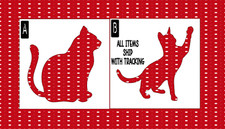
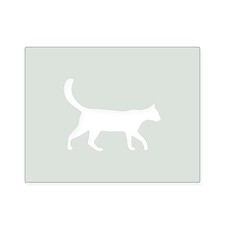
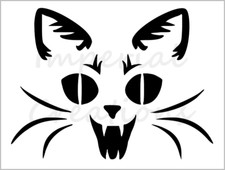
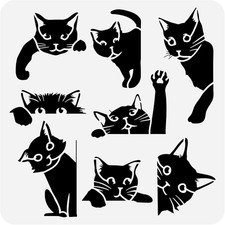
We at Street Art Cats have documented countless stencilled cats on walls around the world, and the technique is surprisingly easy to learn at home. A good reusable stencil gives you sharp shapes again and again, whether you are spraying a canvas, decorating a tote bag or painting a feature wall.
Material and Cut Quality
Most reusable stencils are made from plastic sheets such as Mylar or PET. Thicker sheets last longer and stay flat, while thinner ones bend more easily around curved surfaces. Before you buy, check:
- the thickness and material listed by the seller
- clean, smooth cut edges in the close-up photos
- bridges, the small connecting strips that keep inner parts like eyes in place
- the overall size compared with the surface you want to paint
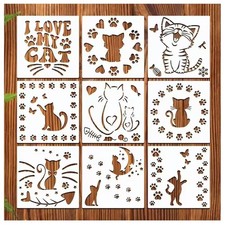
Fine details such as whiskers look great but need a crisp laser cut. Single-layer stencils are easiest for beginners, while multi-layer sets let you build up colours step by step.
How to Get Clean Results
Fix the stencil firmly with low-tack tape or a repositionable spray adhesive so paint cannot creep underneath. Spray in light coats from a steady distance instead of one heavy pass, which causes drips and blurry edges. With brushes or sponges, use a dabbing motion and very little paint. Practise on cardboard first to get a feel for it, and always spray in a well-ventilated space, ideally outdoors, with a mask.
Cleaning and Storage
Clean your stencil soon after use, while the paint is still soft. Water-based paints wash off with warm water and mild soap, while spray paints may need a suitable cleaner. Let the stencil dry completely and store it flat, between sheets of paper or in a folder, so it does not bend or stick to others.